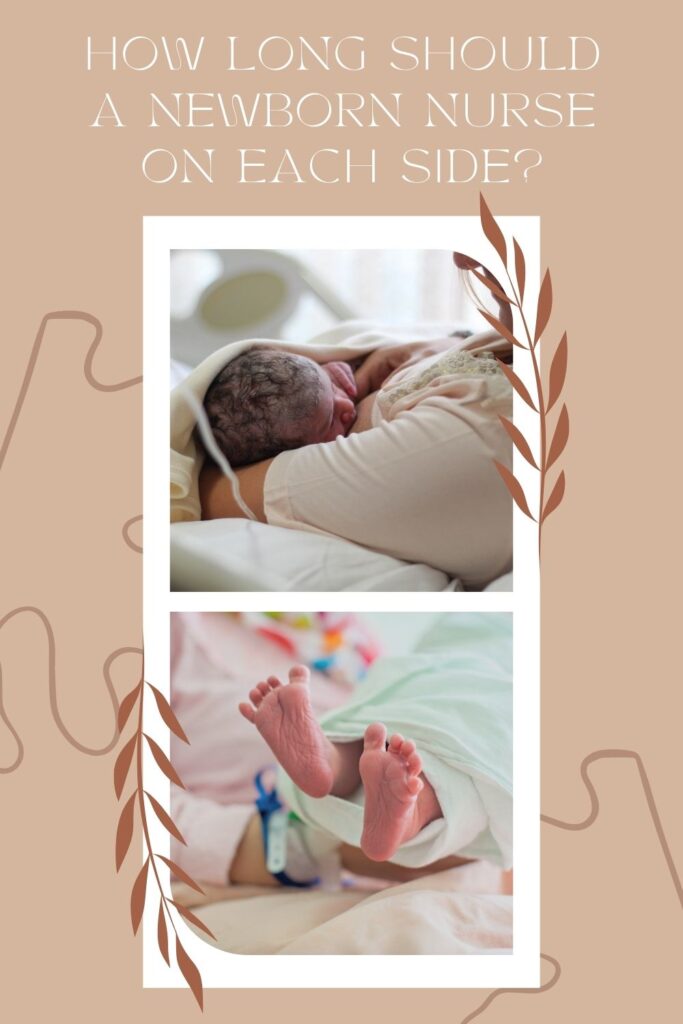
How Long Should a Newborn Nurse on Each Side? A Guide for New Moms
For new moms navigating the early weeks of breastfeeding, it’s natural to wonder how long a newborn should nurse on each side. The ideal duration depends on the baby’s age, individual needs, milk flow, and the mother’s milk production. Here, we’ll walk through what you need to know to ensure your baby gets enough milk and how to establish a balanced feeding routine in those early days.
Understanding the Average Duration for Each Nursing Session
Newborn babies generally need frequent feedings around the clock, especially during the first month. Each nursing session can vary widely depending on the baby’s age, milk flow, and appetite. In the early days, newborns may spend 15-20 minutes on each breast per feeding. This timeframe allows enough breast milk to be transferred while encouraging the milk production needed to meet their growing needs.
Following Your Baby’s Cues
Every baby is unique, so observing your baby’s cues is one of the best ways to determine if they’ve had a full feeding. Watch for signs like relaxed hands, decreased sucking, and a full appearance in their face or body. This approach ensures they’re meeting their hunger needs without strict timing limits. Babies often show signs of satisfaction on the first breast before moving to the second.
Why Both Breasts?
Offering both breasts helps stimulate milk production and balance milk flow. It also ensures that both breasts produce enough milk, which can benefit long-term lactation. Some babies may take more milk from the first breast and need less from the second. For others, moving to the second breast allows them to achieve a full feeding.
Adjusting Feeding Duration Based on Age and Needs
As babies grow, the length of nursing sessions can change. Older infants, for example, may nurse for a shorter time as they become more efficient at getting milk. However, they may stay on each breast longer to increase the milk intake needed to support rapid development during growth spurts. In general, newborn babies may require 8-12 feedings in a 24-hour period to support healthy weight gain and development.
How to Know Your Baby is Getting Enough
Signs that your baby is getting enough breast milk include consistent weight gain, frequent bowel movements, and around 6-8 wet diapers daily. Regular check-ins with a health visitor or pediatrician are important to monitor your baby’s growth. The American Academy of Pediatrics recommends breastfeeding as the primary source of nutrition for the first six months, followed by the gradual introduction of solid foods.
Tips for Maximizing Milk Transfer
Establish a Good Latch
A deep, secure latch is crucial for efficient milk transfer. Positioning techniques like the cradle hold or football hold can make nursing sessions more comfortable and productive.
Follow Early Feeding Cues
Observing early cues such as lip-smacking, rooting, or sucking on hands helps ensure the baby starts nursing before becoming overly hungry.
Skin Contact
Skin-to-skin contact helps with bonding, encourages babies to nurse more effectively, and helps stimulate milk production.
Frequent Feedings in the Early Weeks
During the first week and early weeks, nursing frequently helps boost milk supply, allowing the breasts to adjust to the baby’s needs.
When to Seek Extra Support
A lactation consultant or breastfeeding support group can offer guidance if your baby is getting enough milk or have concerns about low milk supply. If your baby’s doctor notes concerns with weight gain or if nursing is causing pain, getting medical care can help address potential issues with positioning or latch.
Embracing Your Breastfeeding Journey
Breastfeeding is a journey that can vary significantly between new moms and babies. While some babies need more time on each breast, others may nurse efficiently and require less time. Trusting your instincts, paying attention to your baby’s needs, and seeking support when needed can help create a positive breastfeeding experience. Remember, each mom-baby pair is unique, and finding the best way to support your baby’s needs is what truly matters.