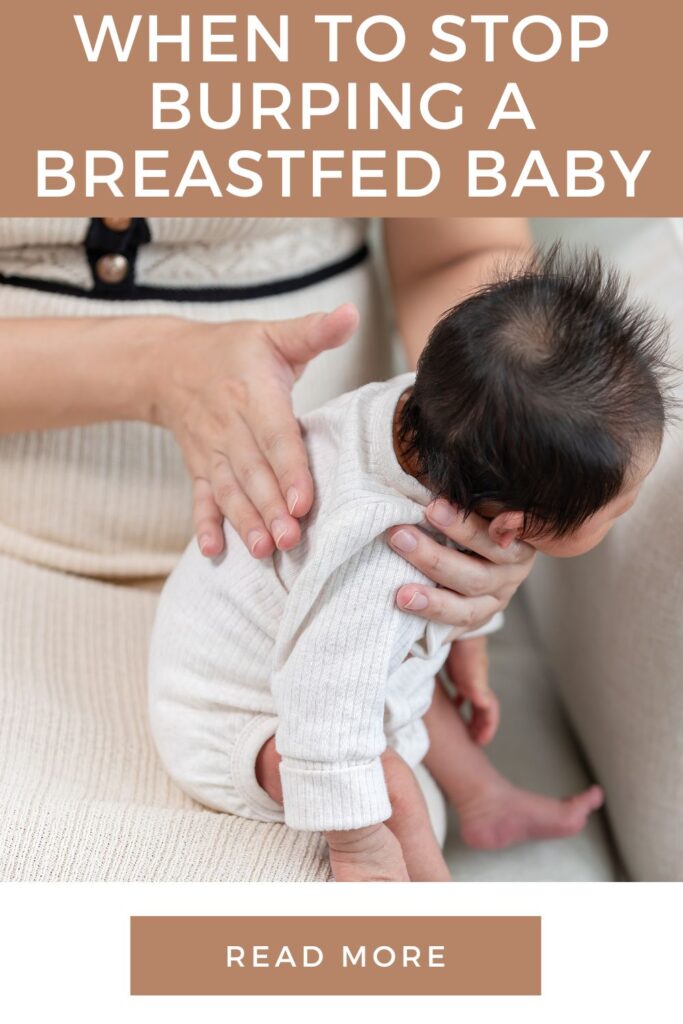
Burping a baby can feel like one of the trickiest parts of the early months of parenthood. You’re feeding your little one, trying to watch for cues, avoiding too much air intake, and then comes the question: how long should you keep burping your breastfed baby, and when can you stop altogether?
We’ll explore what burping really does, how breastfed babies differ from bottle-fed babies in this regard, and the signs that it might be time to ease up on the burping routine, whether you’re cradling your baby in a rocking chair or holding them upright over your shoulder.
Why Do Babies Need to Be Burped?
In the early months of life, a baby’s digestive system is still maturing. As they feed, they often swallow small amounts of air, which can form gas bubbles in the stomach. These can cause discomfort, fussiness, or even wake a sleeping baby. Burping helps release that trapped air and reduce the risk of issues like gas pains, wet burps, or even projectile vomiting.
Burping is particularly important for newborn babies and young babies in general, especially during the first 4-6 months of age when their body is adjusting to feeding and digestion. Although breastfed babies tend to swallow less air than bottle-fed babies, no feeding method is entirely free of the occasional burping need.
Do Breastfed Babies Need to Be Burped?
Yes — especially during the early months, even breastfed babies can benefit from regular burping. Although breast milk flows more gently compared to formula through a bottle, factors like a fast letdown, latch issues, or crying during a feed can cause your baby to swallow a lot of air.
Some parents assume burping is only necessary for bottle feeding, but that’s not entirely true. Each baby is different. Some may burp quickly with minimal effort, while others might need a couple of minutes of gentle pats on baby’s back to relieve the pressure.
Best Burping Positions and Techniques
There’s no one-size-fits-all method for burping. Using different positions can help depending on what’s comfortable for both you and your baby. Here are the most popular methods:
Over the Shoulder
- Hold your baby upright, resting their chin on your shoulder.
- Support their bottom with one hand and use your free hand to gently pat or rub in a circular motion.
- Use a burp cloth or cloth diaper to catch any spit-up.
Sitting on Your Lap
- Sit your baby on your lap, supporting the baby’s chest and baby’s chin with one hand.
- Keep your baby’s head upright and gently pat their back with the other hand.
Face-Down Across Your Lap
- Lay your baby tummy-down across your legs.
- Support the baby’s head so it’s higher than the rest of the body.
- Gently pat or rub their baby’s back to release air bubbles.
Tip: Sometimes a change of position is all it takes to help the baby burp effectively. Don’t be afraid to alternate between the best burping positions during a burping session.
Signs Your Baby Needs to Be Burped
Understanding your baby’s cues is essential. Look for signs such as:
- Fussiness or squirming during or after feeding
- A gassy baby sound or sensation in their baby’s tummy
- Turning their baby face away from the breast
- Pausing mid-feed and pulling back
- A flushed or uncomfortable appearance
- Arching their back or clenching their fists
In some cases, gastroesophageal reflux disease (GERD) or other medical conditions may contribute to gas and discomfort, and burping may be even more important. If you suspect something more than routine trapped gas, always seek professional medical advice.
When to Stop Burping Your Breastfed Baby
There’s no definitive age that applies to all infants, but most healthcare professionals suggest that burping becomes less necessary once your baby can sit up independently, typically around 6 months of age.
Here are general signs it might be time to stop or reduce burping:
Your baby burps on their own
Older babies often release excess air naturally as they move around or sit up.
There are no signs of discomfort after feeds
If your baby finishes a feed without fussiness or signs of gas, it’s a good idea to try skipping a burp and observing how they respond.
No longer waking due to gas
In the early months, babies may wake due to build-up of gas. If this stops happening, it could be a signal that burping isn’t as necessary.
You’re starting solid foods
Introducing solid foods around six months brings big changes to your baby’s digestive system. As meals become more structured and chewing increases, the amount of swallowed air usually decreases.
Your baby resists burping
Some babies simply don’t need it anymore, they may become fussy or restless if burping feels like an interruption to their routine.
How Long Should You Try Burping?
If you’re not getting a burp within a few minutes, it’s okay to stop. For some breastfeeding babies, a burp isn’t always needed every time. If your baby is relaxed and content, you don’t have to push for a burp endlessly. Feeding shouldn’t take up a lot of time with constant interruptions for unsuccessful burping.
Some babies will burp naturally while being moved around or during a lap face cuddle, especially when resting in an upright position after a feed.
What If Your Baby Doesn’t Burp?
It’s not always a problem if your baby doesn’t burp. Keep an eye on how they behave afterward. Are they calm and settled? Are they eating and sleeping well?
If your baby frequently appears uncomfortable or suffers from large amounts of trapped wind, you can try adjusting your feeding setup:
- Ensure a deep, effective latch during breastfeeding
- Feed in a slightly upright position to reduce air bubbles
- Avoid bouncing or rough movement immediately after feeds
- Review your own diet for potential gas-inducing foods like dairy products
And as always, reach out to your health care provider if you’re concerned, especially if there’s projectile vomiting, a persistent gassy baby, or signs of discomfort despite your best efforts.
FAQs About Burping Breastfed Babies
Should I burp my baby after every feed?
In the early months, yes. As your baby grows, this may not always be necessary. Pay attention to their cues.
Can a baby sleep without burping?
Sometimes, yes. Especially if they’re not fussy, but placing a sleeping baby in an upright position for 10-15 minutes post-feed may help baby’s gas settle.
What if my baby spits up after burping?
This is common, especially during a wet burp. Keep a burping cloth handy and ensure their baby’s head is supported and not compressed during burping.
Is burping needed after dream feeds or night feeds?
It depends on your baby. If your baby tends to stay relaxed and sleepy after nighttime feeds, a short burping session in an upright position is usually enough, or not required at all.
Final Thoughts
Burping your breastfed baby is an important part of the feeding routine, especially during the first few months. While bottle-fed babies are often more prone to swallowing air, breastfeeding can still lead to air bubbles, particularly when there’s a fast letdown or latch issues.
There’s no definitive age to stop burping, but as developmental milestones are reached, sitting up, eating solids, and experiencing less baby’s discomfort, you’ll naturally phase it out. Pay close attention to your baby’s cues, use different techniques, and don’t hesitate to seek professional medical advice if something seems off.
And remember, every baby is unique. What works best for one child may not be right for another. Trust your instincts and take it feed by feed.