Breastfeeding is often described as one of the most rewarding yet challenging stages of early motherhood. Many new mothers experience worries about breast milk production, particularly in the early weeks when both baby and mom are adjusting. For generations, women have turned to natural solutions to help, with fenugreek standing out as one of the most popular choices. Today, fenugreek tablets and other forms of this natural herb are widely available, offering additional support for mothers who want to boost milk production safely and effectively.
This guide explores the benefits of fenugreek, how it works, what research says, and what to consider before adding it to your breastfeeding journey.
What Is Fenugreek?
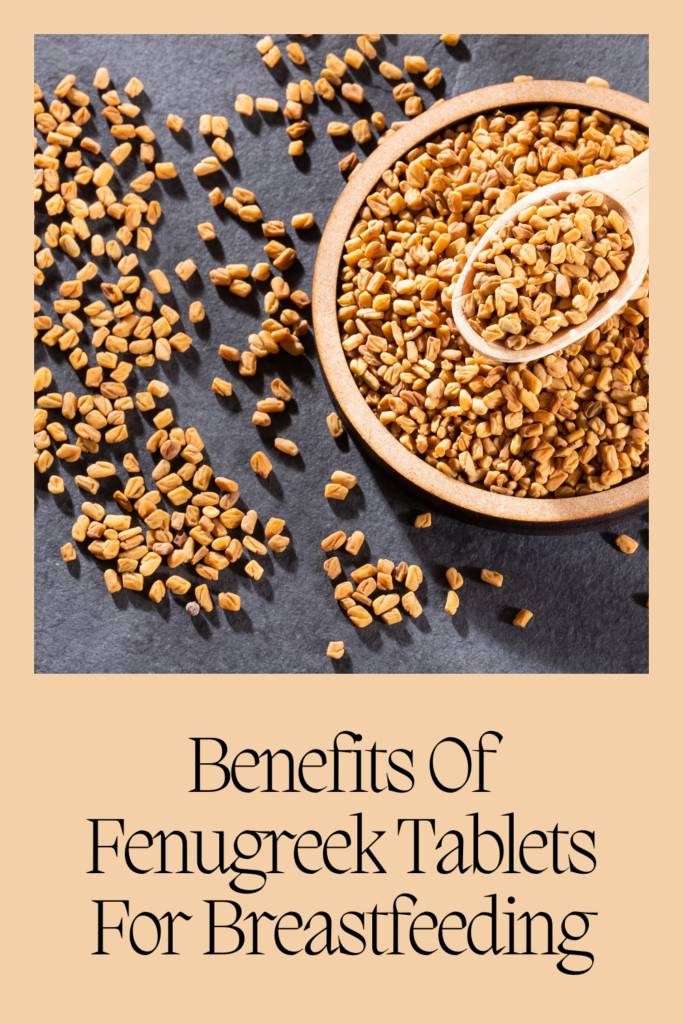
Fenugreek, scientifically known as Trigonella foenum-graecum, is a plant from the pea family that grows mainly in southern Europe, North Africa, and the Middle East. It has a long history of use in traditional medicine for digestive issues, women’s health, and as a flavouring in food preparations. Its main ingredient, the fenugreek seeds, is valued for its unique properties, including the ability to stimulate the mammary glands and encourage milk volume in breastfeeding moms.
In modern times, fenugreek is found in various forms, including fenugreek seed powder, fenugreek capsules, and fenugreek extracts. Many women also drink fenugreek tea or incorporate the fenugreek herb into herbal tea blends. Tablets and capsules have become the most effective way for many new mothers to measure the recommended dosage consistently.
Why Do Breastfeeding Moms Use Fenugreek?
The main reason mothers reach for herbal galactogogues like fenugreek is low milk supply. Despite following expert breastfeeding tips and support from a lactation consultant, some women still feel they are not making enough milk.
The use of galactogogues, plants or herbal remedies that encourage lactation, has existed for a long time. Fenugreek is one of the best-known natural aids and is often the right choice when mothers want to try a holistic approach before turning to prescription medications.
How Does Fenugreek Work?
Research suggests that fenugreek may stimulate the mammary glands by mimicking the action of estrogen, which plays a role in milk production. The effect of fenugreek has been observed in both traditional practices and modern clinical trials.
Some studies have reported a significant increase in milk volume among women taking fenugreek compared to a control group. While not every study agrees on fenugreek’s effectiveness, many breastfeeding moms report noticeable improvements.
Health Benefits Beyond Breastfeeding
Although its most common use for new moms is for lactation, fenugreek offers wider health benefits. It has been explored for its role in supporting blood glucose control, reducing menstrual cramps, and managing diabetes mellitus. The consumption of fenugreek may influence blood lipids, such as lowering high-density lipoprotein imbalances, and support a healthy body weight.
Studies also explore links between fenugreek and polycystic ovary syndrome, where it may improve insulin sensitivity. Other trials have investigated its effects on testosterone levels, blood sugar levels, and even weight gain in different populations. Its long history of use across cultures reflects these potential benefits.
Fenugreek Tablets as a Supplement Form
One reason fenugreek capsules are a popular choice is convenience. Unlike fenugreek tea or homemade mixtures, tablets provide a measured supplement form that makes it easier for breastfeeding moms to track their intake. You can find them in health food stores across the United States and Europe.
They are also sold as dietary supplements online, with clear labelling on the recommended dosage. This standardisation reduces uncertainty about how much fenugreek is being consumed, something harder to control with seeds or teas.
What the Research Says
A systematic review of the use of fenugreek supplements for lactation noted both positive and mixed findings. Some women experienced a significant increase in milk volume, while others reported no measurable effect.
The variation may come down to dosage, mom’s use, or even individual health conditions. For example, pregnant women should avoid fenugreek due to possible adverse effects, while breastfeeding mothers may benefit from carefully monitored intake.
Several clinical trials highlight fenugreek as an effective way to support lactation, but more research is needed to fully understand fenugreek’s effectiveness.
Safety Considerations
Like any supplement, fenugreek carries possible side effects. Some common side effects include upset stomach, digestive issues, or a bitter taste in the mouth. Interestingly, the body may give off a smell similar to maple syrup after fenugreek consumption, which is harmless but noticeable.
There have also been reports of allergic reactions and adverse reactions, particularly in people sensitive to legumes. Although rare, adverse effects may include changes in blood sugar levels or interactions with drug administration for medical conditions such as diabetes mellitus.
For women taking prescription medications, consulting healthcare professionals before starting fenugreek is essential.
Who Should Avoid Fenugreek?
Certain groups should use caution or avoid fenugreek entirely:
- Pregnant women – due to possible stimulation of the uterus.
- Those with existing health conditions, particularly diabetes, should consult their doctor before using fenugreek, as it can affect blood glucose.
- Anyone with a history of allergic reactions to legumes.
When in doubt, always check with a lactation consultant or your doctor.
Fenugreek in Natural Remedies and Holistic Care
Fenugreek is often combined with other herbal supplements or natural remedies in herbal tea blends designed for lactation. The use of fenugreek supplements fits into a wider holistic approach where new mothers combine a healthy diet, hydration, rest, and lactation support from family and professionals.
Unlike many prescription medications, fenugreek appeals to mothers who prefer natural remedy options with a long history of use.
Forms of Fenugreek: Which One Is Best?
Fenugreek is available in various forms, each with its own strengths:
- Fenugreek seed powder – can be mixed into food, though it has a bitter taste.
- Fenugreek capsules – easy to take daily, providing a reliable supplement form.
- Fenugreek extracts are often found in dietary supplements.
- Fenugreek tea – soothing, though dosage can vary.
The main reason mothers choose tablets or capsules is convenience. For a new mom juggling baby care, different forms make supplementation flexible.
Guidance from Healthcare Professionals
While fenugreek is widely available, the use of fenugreek supplements should always be discussed with healthcare providers. Each woman’s needs are unique, and guidance from a lactation consultant or healthcare professional ensures the right choice is made.
In many cases, fenugreek works best alongside breastfeeding tips, lactation support, and attention to the baby’s latch and feeding cues.
Weighing the Potential Benefits and Risks
Fenugreek can be a helpful addition to a new mother’s routine, but it’s important to weigh the potential benefits against the potential side effects. For many women, the benefits of fenugreek, including increased breast milk supply, outweigh the risks, particularly when taken under professional guidance.
The decision should be personal, based on your health, preferences, and comfort with natural herb supplements.
Final Thoughts
Fenugreek tablets are a natural remedy with a long history of use in supporting breastfeeding women. From ancient practices in southern Europe and north Africa to modern dietary supplements available in the United States, the use of fenugreek supplements continues to offer hope to breastfeeding moms facing low milk supply.
While not a miracle cure, fenugreek is an effective way to provide additional support for new mothers who want to increase milk volume naturally. When combined with professional guidance, healthy lifestyle choices, and a focus on bonding during the breastfeeding journey, fenugreek tablets may be the right choice for many women.
If you’re considering fenugreek, talk to your doctor or lactation consultant to ensure safe and appropriate use. With the holistic approach of modern care and traditional wisdom, fenugreek can be a trusted ally for mothers around the world.