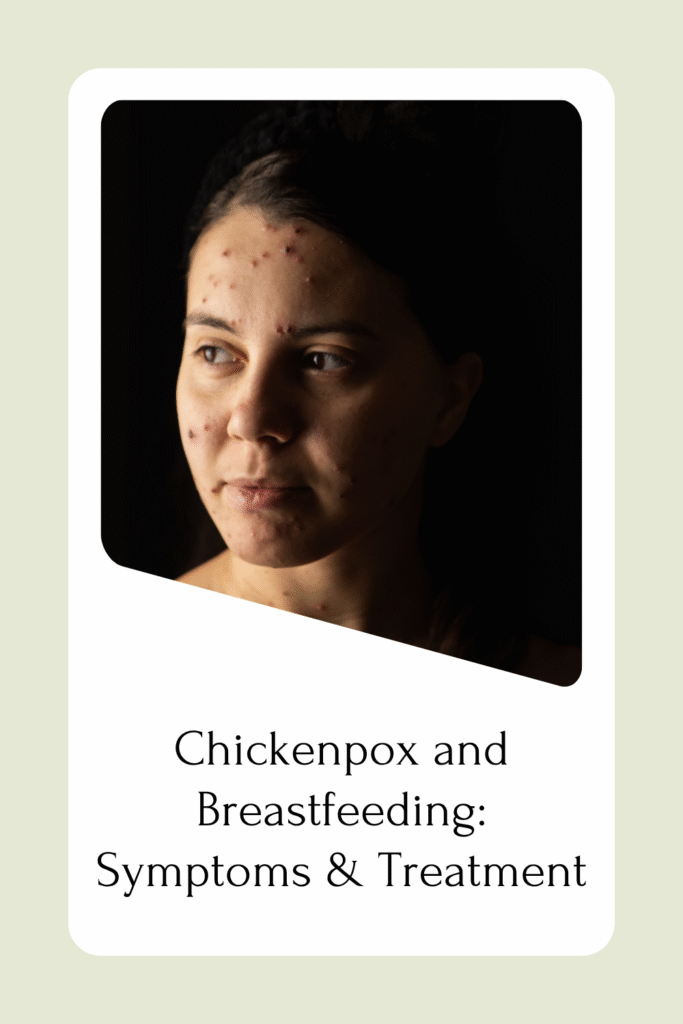
When it comes to caring for both mother and baby, breastfeeding and chicken pox can raise many concerns. A nursing mother may wonder if continuing to breastfeed is safe, how to protect her infant, and when to seek urgent medical attention. Because the varicella-zoster virus causes chickenpox, it is essential to understand the risks, prevention strategies, and available treatment options.
Understanding Chickenpox and Its Transmission
Chickenpox is a highly contagious viral infection that spreads through direct contact, droplets from coughing or sneezing, or body fluids from infected persons. The incubation period is typically 10–21 days, which means symptoms may not appear immediately after exposure. The condition is most common in the spring season, though cases can occur year-round.
The chickenpox virus causes skin rashes that often begin on the torso and face before spreading to other affected areas. As the rash appears, it forms skin lesions that can be itchy and uncomfortable. In milder cases, symptoms remain manageable, but in rare cases, the infection can lead to serious complications such as secondary bacterial infection, skin infections, or pneumonia.
Breastfeeding and the Immune System
Breast milk is one of the best natural protections for infants. Rich in immune factors, maternal antibodies, and protective antibodies, it supports the infant’s immune system against many infectious diseases. Studies have shown that breastfed infants benefit from human milk not only for its nutritional value but also for the health benefits it provides, which reduce the risk of severe illness.
A new mother who develops chickenpox may still be able to continue feeding her newborn baby, but it depends on the severity of the illness and the advice of her physician. The breastfeeding network advises that, in most situations, breastfeeding can continue, as milk production and milk supply are typically not affected.
When to Seek Professional Guidance
Every nursing mother with chickenpox should consult a qualified health provider or healthcare professional for a complete medical diagnosis. Because every medical condition is different, only a trained physician can assess the risks of varicella infection and provide advice from your physician regarding treatment.
Some mothers may require an antiviral drug or antiviral medication if they show severe symptoms. If prescribed, these drugs should be taken as directed and monitored by qualified healthcare providers. In rare cases, intravenous immune globulin may be given to reduce the severity of illness in mothers or infants at high risk.
Chickenpox in Newborns and Infants
A newborn baby exposed to chickenpox is at greater risk because their immune system is still developing. In neonatal varicella, symptoms can be severe, especially if the infection occurs in the first two weeks of life. Congenital varicella syndrome may also occur if a mother contracts chickenpox during pregnancy, though this is uncommon.
The American Academy of Pediatrics highlights that pregnant women exposed to the virus should seek urgent care to prevent serious complications. For infants, milder cases may be monitored, but urgent medical attention is needed if breathing difficulties, fever, or widespread skin lesions appear.
Vaccination and Prevention
The chickenpox vaccine is considered the best way to prevent infection. A first dose is typically given in childhood, followed by a second dose later for long-term protection. The varicella vaccine is a live vaccine, which means it contains a weakened vaccine virus.
In some cases, maternal vaccination before pregnancy can offer added protection. For mothers unsure of their immunity, a blood test can detect IgG antibodies that confirm prior exposure. If antibodies are present, it usually means the body has protective antibodies to fight off the varicella zoster virus.
Because pregnant women should not receive the varicella vaccine, planning maternal vaccination before conception is a good idea.
Chickenpox During Breastfeeding
A breastfeeding mother with chickenpox may be concerned about passing the infection through milk. Research shows that the varicella virus itself is not present in milk. Instead, maternal antibodies and immune factors in breast milk may help shield the baby.
However, if skin lesions are present near the breast, it is wise to keep the affected areas covered with dry bandages while feeding. This reduces the risk of close contact transmission through skin rashes. Using calamine lotion can soothe the itch without harming the nursing mother or the newborn.
Treatment and Care
While there is no cure for chickenpox, several treatment options exist to relieve symptoms:
- Applying calamine lotion to affected areas
- Covering lesions with dry bandages to prevent scratching
- Staying hydrated with plenty of fluids
- Using antiviral treatment when prescribed by a doctor
- Avoiding scratching to reduce the risk of secondary bacterial infection
It is helpful to consult health articles and case reports reviewed through a careful editorial process. Always verify information with professional medical diagnosis and the advice of your physician.
Chickenpox and Household Exposure
If a house help’s daughter or another family member develops chickenpox, a breastfeeding mother should practice strict hygiene. Minimising close contact, sanitising body fluids, and covering skin lesions reduces the risk of spreading the varicella infection to breastfed infants.
Role of Healthcare and Research
Many health questions and health queries about breastfeeding and chickenpox are answered in free articles by the breastfeeding network and other organisations. These rely on qualified healthcare providers and peer-reviewed research. For example, the polymerase chain reaction test can confirm active chickenpox infection by detecting the DNA of the varicella-zoster virus.
Disease control authorities in the United States have confirmed that the chicken pox vaccine significantly reduces outbreaks and the spread of infectious diseases. In some case reports, experienced orthopedists and pediatricians have emphasised the importance of early intervention to prevent serious complications.
Breastfeeding and Maternal Health
For a breastfeeding mother, maintaining milk production during illness is important. Rest, hydration, and nutrition all support recovery. If skin lesions make feeding uncomfortable, expressing milk may be a temporary alternative. Continuing to provide human milk ensures the infant receives vital immune factors.
Some mothers worry about the side effects of medications. Always discuss treatment options with a healthcare professional before using any drug while nursing. In many cases, antiviral medication can be safely used under supervision.
Key Considerations for Families
- Monitor the incubation period of exposed infants.
- Seek urgent medical attention if the child shows severe symptoms.
- Consider the health benefits of continuing breastfeeding.
- Use dry bandages and calamine lotion for comfort.
- Discuss the possibility of immune globulin for high-risk infants.
- Follow professional medical advice at all times.
Everyday Questions Mothers Ask
- Can chickenpox lower milk supply? Generally, no.
- Should I avoid breastfeeding during varicella infection? Usually not, unless skin lesions are near the nipple.
- Is the chickenpox vaccine safe while breastfeeding? The varicella vaccine is not usually recommended for nursing mothers, but the advice of your physician is essential.
- What about maternal vaccination before another pregnancy? That’s often the best way to prepare.
Final Thoughts
Chickenpox can feel overwhelming for a new mother, but understanding the role of breastfeeding and how maternal antibodies support infants can bring reassurance. With guidance from qualified healthcare providers, proper hygiene, and, when needed, antiviral medication, most mothers and babies recover safely.
If you are unsure, the best way forward is always to seek the advice of your physician or another qualified health provider.
Whether you’re in the United States or elsewhere, remember that science and experience show breastfeeding remains a powerful source of comfort and immunity, even during challenges like chickenpox.