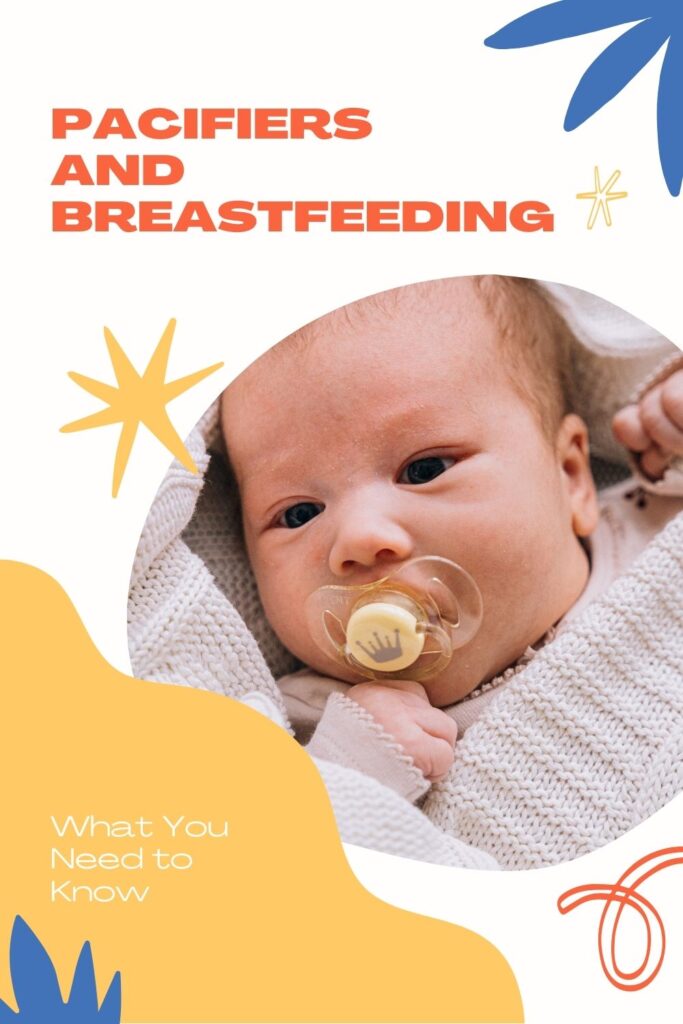
When I had my first baby, I was often told to be cautious about introducing a pacifier too early to avoid potential nipple confusion. Naturally, I wanted to make informed decisions, so I researched the best pacifiers for breastfed babies. Interestingly, neither of my kids experienced nipple confusion, and I don’t personally know any friends who encountered it either.
For many new parents, choosing a pacifier can feel like a big decision. The best pacifiers for breastfed babies strike the perfect balance between meeting your baby’s comfort needs and supporting your breastfeeding journey. Let’s explore key considerations around pacifier use and how it fits into a breastfeeding parent’s routine.
Can Breastfed Babies Use Pacifiers?
The short answer: it depends. The American Academy of Pediatrics suggests waiting until breastfeeding is well-established, typically around 3–4 weeks, before introducing a pacifier. This helps reduce the risk of nipple confusion and ensures a good latch.
However, recent research, including systematic reviews and observational studies, shows that the early use of pacifiers doesn’t always lead to less successful breastfeeding. Every baby is unique, and what works for one family may not work for another.
Do Pacifiers Affect Milk Supply?
Pacifiers themselves don’t directly impact milk production. Breastfeeding relies on a supply-and-demand mechanism; the more your baby nurses, the more milk your body produces. If pacifier use replaces nursing sessions too often, it may reduce your baby’s demand for breast milk, which can affect your milk supply.
On the flip side, pacifiers can help fulfill a baby’s need for non-nutritive sucking—a soothing behavior unrelated to hunger. Using a pacifier occasionally for comfort can benefit both the baby and the breastfeeding parent without disrupting milk production.
Do Pacifiers Cause Nipple Confusion?
Nipple confusion occurs when a baby struggles to switch between breastfeeding and using artificial nipples due to differences in sucking technique and milk flow. While some breastfed babies adapt effortlessly, others may find it challenging.
To minimize the risk of nipple confusion, consider waiting until your baby has developed a strong latch and consistent breastfeeding routine. If you notice any issues, consult a certified lactation consultant for guidance.
Benefits of Using Pacifiers
Pacifiers offer several advantages that make them a popular choice for many parents:
- Self-Soothing: Babies have a natural sucking reflex, and pacifiers provide comfort during stressful moments. They can also help babies fall asleep and stay calm during car rides or infant naps.
- Risk of SIDS Reduction: Research suggests that pacifiers may lower the risk of Sudden Infant Death Syndrome (SIDS). While the exact reason is unclear, some theories suggest pacifiers keep the airway open or prevent babies from entering deep sleep phases.
- Support for Parents: For breastfeeding parents, pacifiers can provide a brief respite during the newborn period, allowing time to recharge and address other tasks.
Risks of Pacifier Use
While pacifiers are incredibly useful, they come with potential drawbacks:
- Latch Challenges: Introducing a pacifier too early might lead to a shallow latch, which can affect milk transfer and cause sore nipples. A good latch is essential for a breastfeeding baby’s growth and the parent’s comfort.
- Dental Issues: Prolonged pacifier use in young children can result in misaligned teeth or other dental problems. The American Academy of Pediatric Dentistry recommends limiting pacifier use as babies grow older.
- Dependency: Babies may become attached to their favorite pacifier, making weaning a challenge. With both of my children, neither of them got attached to a specific brand and would have any.
When to Introduce a Pacifier
Breastfeeding experts recommend waiting until breastfeeding is well-established—typically around 3–4 weeks—before introducing a pacifier. By this time, a baby’s ability to latch and gain weight is steady, reducing the risk of nipple confusion.
How to Choose the Right Pacifier for a Breastfed Baby
Choosing the right pacifier involves considering your baby’s needs and preferences. Here’s what to look for:
- Nipple Shape and Size: Pacifiers designed with an orthodontic shape or resembling a mother’s breast are ideal for breastfed babies. Options like the MAM pacifier or Nanobebe baby pacifiers are popular choices.
- Material: Silicone pacifiers are durable, easy to clean, and free from harmful chemicals. Alternatively, natural rubber pacifiers offer a softer texture, which some babies prefer.
- Safety Features: Look for pacifiers with air holes to prevent skin irritation, a shield large enough to avoid choking hazards, and medical-grade silicone for durability.
Top Picks for Breastfed Babies
- NUK Comfy™ Orthodontic Pacifiers: These feature a breast-like nipple and orthodontic design to support oral development.
- MAM Comfort Baby Pacifier: Lightweight and designed to stay in place, this pacifier suits preterm and full-term infants.
- Chicco PhysioForma: With a curved nipple and ergonomic design, this pacifier encourages proper tongue placement and a good latch.
- BIBS Natural Rubber Pacifier: Crafted from natural rubber, it minimizes moisture buildup and reduces skin irritation around the baby’s mouth.
- Milk Snob Pacifier: This brand focuses on silicone pacifiers with a minimalist design and safety features like air holes.
- Natural Rubber Options: For parents seeking eco-friendly choices, natural rubber pacifiers are gentle on the baby’s face and gums.
Safety Tips for Pacifier Use
- Regularly inspect pacifiers for signs of wear, such as cracks or tears, and replace them as needed.
- Avoid tying pacifiers around the baby’s neck or crib to prevent strangulation risks.
- Never dip pacifiers in sweet substances, as this can harm young children’s oral health.
- Use the right size pacifier for your baby’s age to ensure comfort and safety.
When to Stop Using a Pacifier
As your baby grows, there may come a time to wean off pacifiers. Prolonged use can increase the risk of middle ear infections and affect dental alignment. Gradually reducing pacifier usage as your child transitions to older baby stages can help make the process smoother.
In Conclusion
Pacifiers can play a crucial role in soothing a breastfeeding baby and reducing SIDS risk while offering moments of relief to new parents. By introducing pacifiers at the right time and choosing designs that prioritize comfort and safety, you can ensure they complement your breastfeeding journey. Always pay attention to your baby’s cues, and don’t hesitate to seek advice from lactation consultants or healthcare providers if concerns arise.