Engorged breasts can be a painful and frustrating experience for those who are no longer breastfeeding. Understanding how to manage and relieve this condition effectively is essential to promoting comfort and preventing complications such as blocked milk ducts or breast infections. Below, we’ll explore strategies and solutions to alleviate engorgement using practical tips and professional advice.
What Causes Engorgement?
Engorgement occurs when there is a build-up of breast milk, extra blood, and fluids in the breast tissue, often leading to swollen, tender breasts. This condition is common in the early postpartum days or when breastfeeding stops suddenly. Symptoms include full breasts, breast pain, tenderness, and sometimes flu-like symptoms, which may signal a breast infection or blocked duct.
Use Cold Compresses or Ice Packs
One of the best ways to relieve engorged breasts is by applying a cold compress or ice pack. Cold therapy reduces swelling, inflammation, and blood flow to the breasts, which can help manage pain and discomfort.
- Wrap an ice pack or frozen wet towel in a thin cloth and apply it to the affected area for 15–20 minutes.
- Cool gel packs or cabbage leaves can also be used for their soothing effects.
Cold compresses are particularly helpful in the first weeks after stopping breastfeeding or when symptoms of breast engorgement are severe.
Gentle Massage and Reverse Pressure Softening
Gentle massage can aid in relieving a clogged milk duct or tender lump in the breast. Using light, circular motions, focus on the part of your breast that feels the most tender or full.
- Combine this with reverse pressure softening, which uses gentle pressure to move swelling away from the milk ducts. This can alleviate tightness in the breast tissue and promote milk flow.
Regular gentle massage can prevent a blocked duct from developing into a more serious condition like a breast abscess if you have a blocked duct.
Hand Expression or Breast Pump for Relief
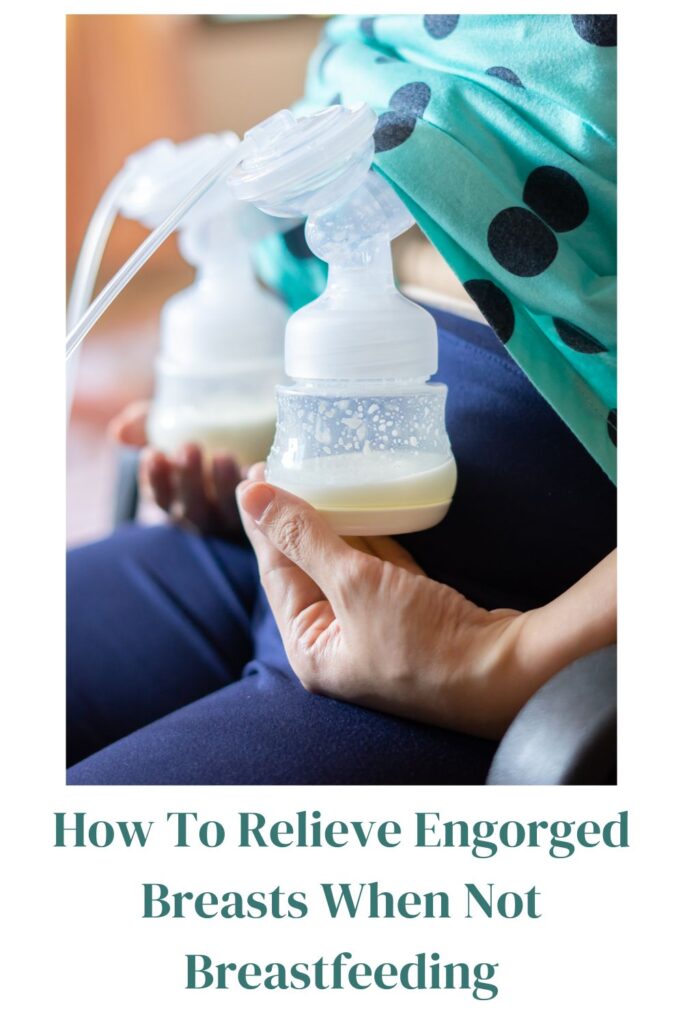
Expressing a small amount of milk can ease painful breasts caused by engorgement. Hand expression is a simple technique to relieve pressure without stimulating too much milk production.
- If necessary, use a breast pump to express milk until you feel comfortable, but avoid over-pumping, as it can signal your body to produce more milk.
- Aim to remove just enough milk to reduce discomfort while gradually signaling your body to produce less milk.
Warm Showers and Compresses
A warm shower or warm compress can help improve milk flow and reduce the feeling of fullness. The warmth promotes blood flow to the milk ducts, allowing for easier milk expression if needed.
- Stand under a warm shower and let the water run over your chest.
- Use a warm compress before hand expression or massage to soften the breast tissue.
Be cautious not to overuse warmth, as it may sometimes increase milk production.
Wear a Supportive Bra
A well-fitted, supportive bra can comfort tender breasts and prevent further strain on the breast tissue. Avoid tight bras or clothing that compresses the breasts, as this can worsen symptoms or lead to blocked ducts.
Stay Hydrated and Maintain a Balanced Diet
Drinking extra fluids and eating a healthy diet is crucial during this time. Staying hydrated helps regulate your body’s processes and prevents complications like dehydration, which can worsen breast discomfort.
If you’ve transitioned to solid foods for your baby, ensure you’re still taking care of your nutritional needs. This supports your overall health during the weaning process.
Use Cabbage Leaves for Soothing Relief
Cabbage leaves are a traditional remedy for engorged breasts. They provide a cooling effect and can help reduce swelling.
- Chill cabbage leaves in the fridge, then place them over your breasts for 20 minutes.
- Replace them as needed throughout the day for continued relief.
Breastfeeding specialists and organizations like the Australian Breastfeeding Association, The National Breastfeeding Helpline in the UK and The United States Lactation Consultant Association widely support the use of this information.
Over-the-Counter Pain Relief
For severe engorgement or breast pain, approved medicines such as acetaminophen or ibuprofen may help. Always consult a healthcare provider or health visitor to ensure these are appropriate for your situation.
Preventing Severe Engorgement
- Gradual Weaning: If you plan to stop breastfeeding, gradually reducing feeding sessions helps prevent sudden engorgement. Drop one feeding every few days instead of stopping abruptly.
- Reduce Stimulation: Avoid unnecessary breast stimulation, such as warm water running directly on the breasts during a shower, as this can trigger milk letdown.
- Cold Therapy After Nursing or Expression: If you need to express milk for comfort, applying cold compresses afterward can help signal your body to slow down milk production.
Avoid Overstimulation of Milk Supply
Engorgement often results from too much milk production or irregular milk removal. To manage this:
- Avoid frequent stimulation of the breasts.
- Gradually reduce the frequency of milk expression or breastfeeding sessions to signal your body to produce less milk.
Monitor for Signs of Breast Infection
If you experience flu-like symptoms, severe breast pain, or a tender lump that does not improve, it may indicate a breast infection or blocked duct. Contact a healthcare provider or lactation consultant for follow-up care.
When to Seek Medical Advice
- Persistent Pain or Fever: If you experience persistent breast pain, redness, or a fever over 38°C (100.4°F), this could indicate an infection requiring antibiotics.
- Signs of a Breast Abscess: A hard, painful lump that does not improve may be an abscess that needs medical attention.
- Severe Swelling: A lactation consultant or healthcare provider can offer solutions if swelling worsens despite home remedies.
Consult a Healthcare Professional
If symptoms persist, a healthcare provider or lactation consultant is a key part of your treatment plan. They can provide tailored advice, a list of safe medicines, and even test results if a medical condition like mastitis is suspected.
Natural Remedies
- Herbal Teas: Some herbs, such as sage tea, may help reduce milk supply. Consult a healthcare professional before using herbal remedies.
- Binding the Breasts: In the past, tightly binding breasts was recommended, but this is now discouraged as it can worsen blocked ducts.
Common Questions About Relieving Engorgement
Q: How long does it take for engorgement to resolve?
Engorgement typically resolves within a few days to a week as your body adjusts to producing less milk.
Q: Is it a good idea to stop breastfeeding suddenly?
Suddenly stopping breastfeeding can lead to severe engorgement and increase the risk of complications. Gradual weaning is the best way to reduce symptoms.
Q: Can engorgement lead to long-term issues?
If left untreated, engorgement can lead to more serious conditions like a breast abscess or mastitis. Early management and medical advice can prevent these outcomes.
Key Takeaways
- Cold compresses and ice packs are effective for reducing swelling and breast pain.
- Gentle techniques like reverse pressure softening and hand expression can relieve symptoms without stimulating too much milk production.
- Wearing a supportive bra and avoiding tight bras can protect breast tissue.
- Stay hydrated and consider remedies like cabbage leaves or over-the-counter pain relief for additional comfort.
- Contact a healthcare professional if symptoms worsen or persist.
Understanding how to relieve engorged breasts when not breastfeeding ensures you can manage symptoms effectively while supporting your health and well-being. By following these tips, you can ease discomfort and prevent complications, allowing you to confidently focus on your next steps.