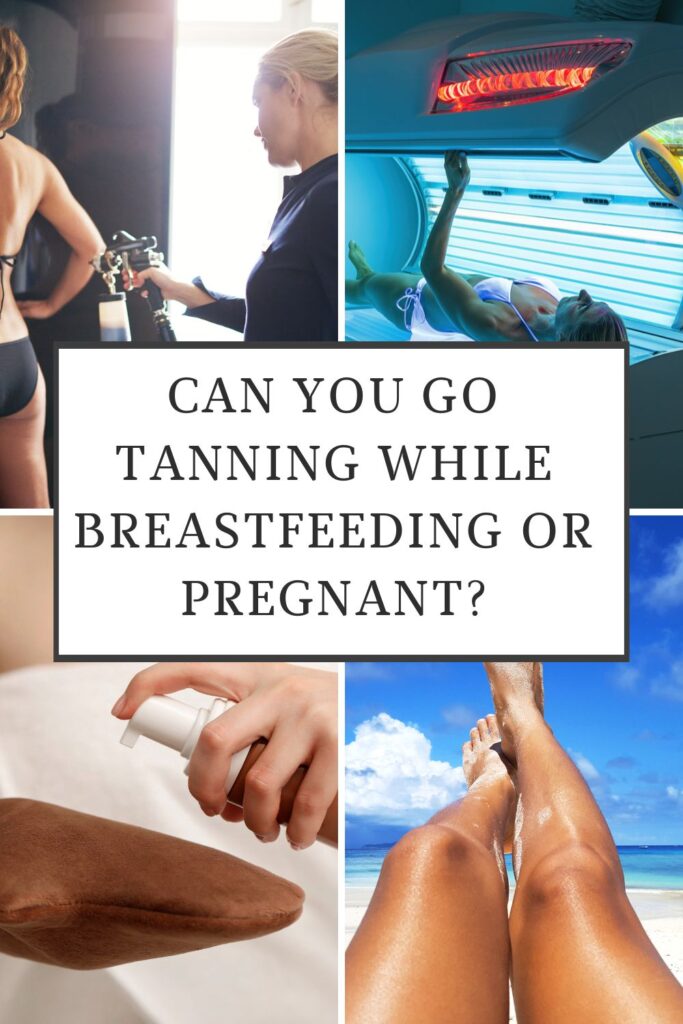
Can You Go Tanning While Pregnant and Breastfeeding? A Safe Glow for New Moms
Pregnancy and breastfeeding are significant times in your life, filled with excitement and new challenges. As a new or expecting mom, you may wonder if you can still enjoy the glow of a tan. Whether through tanning beds, sun exposure, or self-tanning products, there are important considerations to keep in mind to protect both you and your baby. In this post, we’ll explore the risks, alternatives, and best practices for achieving a tan while pregnant or breastfeeding.
Tanning Beds and UV Exposure During Pregnancy and Breastfeeding
Using a tanning bed exposes you to UV rays, which penetrate deep into the skin, increasing the risk of skin cancer and skin damage. For pregnant women, UV rays can also raise your body temperature, which could potentially affect the development of your baby. Increased body temperature, especially during the first trimester, is linked to complications such as spina bifida and preterm delivery.
When it comes to breastfeeding moms, tanning beds pose similar risks, including damage to the breast area. The nipple area is more sensitive during this time, and overheating or burns could lead to discomfort, making breastfeeding more difficult.
Exposing your baby’s skin to UV rays can cause sunburn and long-term skin damage. Wearing protective clothing, like long sleeves, and avoiding UV tanning altogether are smart ways to prevent these risks.
Is It Safe to Use Self-Tanning Products While Pregnant or Breastfeeding?
Self-tanning products, such as self-tanning lotions, sunless tanners, and professional spray tans, offer a safer way to achieve a tan without exposure to harmful UV rays. The active ingredient in most sunless tanners is DHA (dihydroxyacetone), a sugar-based compound derived from sugar cane or sugar beets that reacts with the top layer of your skin to create a tanned appearance.
For both pregnant and breastfeeding women, DHA is considered safe when used externally. Studies suggest that DHA doesn’t penetrate the skin deeply enough to enter your bloodstream in significant amounts, meaning it won’t affect your baby through the placenta or breast milk. However, you should avoid applying self-tanner to areas your breastfed baby’s face may come into contact with, like the nipple area.
If you’re using a self-tanner while pregnant, it’s always best to do a patch test first to check for allergic reactions, especially if you have sensitive skin or fair skin. Some women experience increased skin sensitivity during pregnancy, so consult your healthcare provider before using any new products.
Professional Spray Tans: A Great Option for Pregnant and Breastfeeding Moms
A professional spray tan is a great option for achieving a sun-kissed glow without the risks of UV exposure. Most salons are familiar with working with pregnant women and breastfeeding moms, so you can request extra precautions, such as covering your breast area with a bikini top or breast pads.
If you’re pregnant, make sure to wear protective clothing during your spray tan session and keep your body temperature in check. Avoid overheating, as high temperatures can pose risks for both you and your baby.
Sun Exposure: Balancing Benefits and Risks
Spending time outdoors in the sun is a natural way to tan, but sun exposure should be limited during pregnancy and breastfeeding. UV rays can cause skin damage, increase the risk of skin cancer, and lead to higher blood levels of folic acid, a vital nutrient during pregnancy.
For expecting moms, excessive sun exposure during the first trimester can increase the chance of birth defects. For breastfeeding moms, protect your baby’s delicate skin by keeping them out of direct sunlight and wearing protective measures such as long sleeves, hats, and sunscreen. Always use a broad-spectrum sunscreen that protects against both UVA and UVB rays.
Self-Tanning Products: What to Look For
If you’re considering using sunless tanning products, check for formulas that contain natural ingredients and avoid those with harsh chemicals. Many self-tanning products now feature plant-based DHA derived from sugar cane or sugar beets, which are generally considered safe for both pregnancy and breastfeeding.
Be cautious of using products near your nipple area when breastfeeding. If you’re concerned about your baby coming into contact with the tanner, simply wipe the area clean with a baby wipe before nursing.
DHA and Safety During Pregnancy and Breastfeeding
The MotherToBaby fact sheet indicates that small amounts of DHA are unlikely to affect breastfed babies or cause issues during pregnancy. Still, medical advice is always a good idea if you have any concerns. Some women may experience skin changes or sensitivities due to hormonal shifts during pregnancy, so consult your healthcare provider if you’re unsure about using self-tanning products.
Final Thoughts: Safe Tanning for Moms
Both pregnant and breastfeeding moms can safely use fake tanning products like self-tanners and professional spray tans to achieve a healthy glow. These options are much safer than tanning beds or excessive sun exposure, which carry possible risks for both you and your baby.
Whether you’re pregnant or breastfeeding, always take precautions by avoiding tanning your breast area, doing a patch test for any allergic reactions, and consulting with your healthcare provider. Remember, your and your baby’s health should always come first, and with the right precautions, you can enjoy a beautiful tan without the risks.