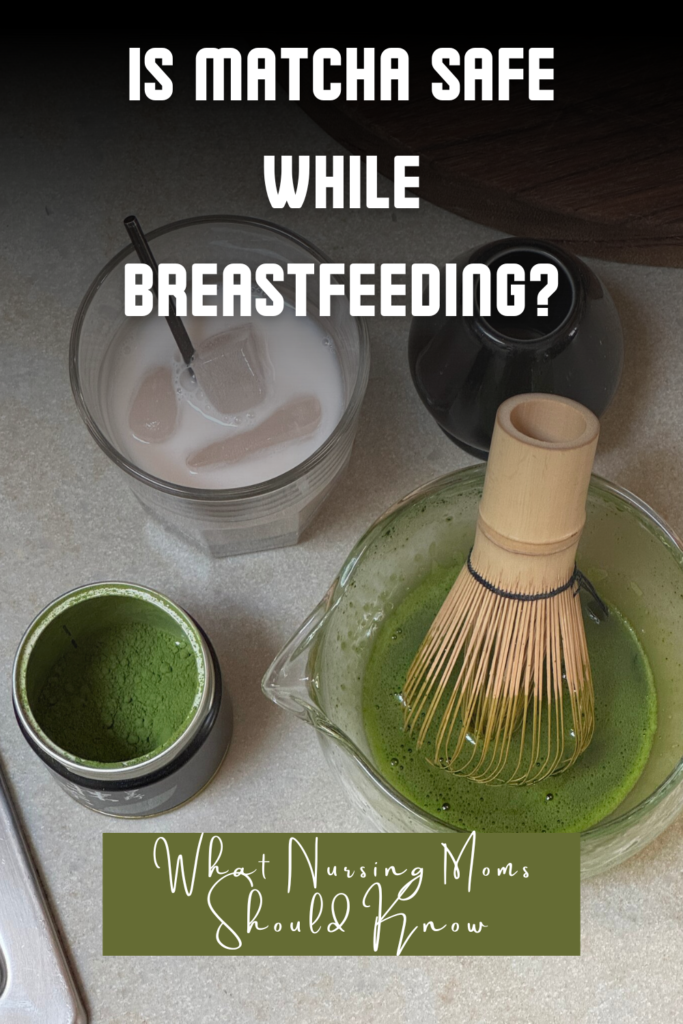
If you’re breastfeeding and craving a calm energy boost, matcha can seem like the perfect option. It’s often described as a gentler alternative to coffee, packed with antioxidants and offering steady focus without the jitters.
But is matcha actually safe while breastfeeding? And how much is too much? Here’s what nursing mums need to know to enjoy matcha confidently and safely.
What Is Matcha?
Matcha is a powdered form of green tea made from finely ground tea leaves. Unlike regular green tea, where leaves are steeped and removed, matcha involves consuming the entire leaf, which makes it more concentrated.
Because of this, matcha contains:
- Caffeine
- L-theanine (an amino acid that promotes calm focus)
- Antioxidants, including catechins
This combination is what gives matcha its reputation for “calm energy”.
Is Matcha Safe While Breastfeeding?
Yes, matcha is generally considered safe while breastfeeding when consumed in moderation.
The main thing to be aware of is caffeine. Caffeine does pass into breast milk in small amounts, but most breastfed babies can tolerate low to moderate intake without any problems.
How Much Caffeine Is in Matcha?
Caffeine levels can vary depending on the quality and amount used, but on average:
- 1 teaspoon of matcha contains around 60–70 mg of caffeine
- A standard cup of coffee contains around 80–100 mg
Health authorities commonly recommend that breastfeeding parents limit caffeine intake to 200 mg per day.
That usually means:
- 1–2 servings of matcha per day is within a safe range for most people
How Caffeine Affects Breastfed Babies
Most babies tolerate caffeine well, especially as they get older. However, some babies are more sensitive.
Possible signs of caffeine sensitivity include:
- Increased fussiness
- Difficulty settling
- Shorter naps
- Being more awake than usual
If you notice changes after drinking matcha, reducing the amount or spacing it further from feeds may help.
Timing Matcha Around Breastfeeding
Caffeine levels in breast milk usually peak around 1–2 hours after consumption.
If you’re concerned, you could:
- Drink matcha just after a feed
- Avoid having it right before your baby’s longest sleep stretch
That said, for most nursing mums, strict timing isn’t necessary if intake is moderate.
Matcha vs Coffee While Breastfeeding
Many breastfeeding parents find matcha easier to tolerate than coffee.
Reasons include:
- Slower caffeine release due to L-theanine
- Fewer jitters or crashes
- Less impact on anxiety levels
That makes matcha a popular choice during the postpartum period, especially for those sensitive to coffee.
Are There Any Other Considerations?
Quality Matters
Choose high-quality, culinary or ceremonial-grade matcha from reputable sources. Lower-quality matcha may contain contaminants or higher levels of heavy metals.
Added Ingredients
Be mindful of:
- Sugary matcha lattes
- Energy blends with added stimulants
- Herbal additives are not recommended during breastfeeding
Plain matcha with milk (dairy or plant-based) is usually the simplest option.
When Might You Want to Limit or Avoid Matcha?
You may wish to reduce or avoid matcha if:
- Your baby is premature or very young
- Your baby shows clear signs of caffeine sensitivity
- You’re consuming other caffeine sources regularly
In these cases, limiting caffeine overall may be helpful.
Can Matcha Affect Milk Supply?
There’s no strong evidence that matcha reduces milk supply when consumed in normal amounts. However, excessive caffeine intake in general has sometimes been linked to reduced milk production in some people.
Moderation is key.
The Bottom Line
- Matcha is generally safe while breastfeeding
- Moderate intake (1–2 servings daily) is usually well tolerated
- Watch your baby for signs of caffeine sensitivity
- Choose high-quality matcha and avoid added stimulants
If matcha helps you feel more energised and calm, there’s no reason you can’t enjoy it as part of your breastfeeding routine.